
MEET THE CURATORS
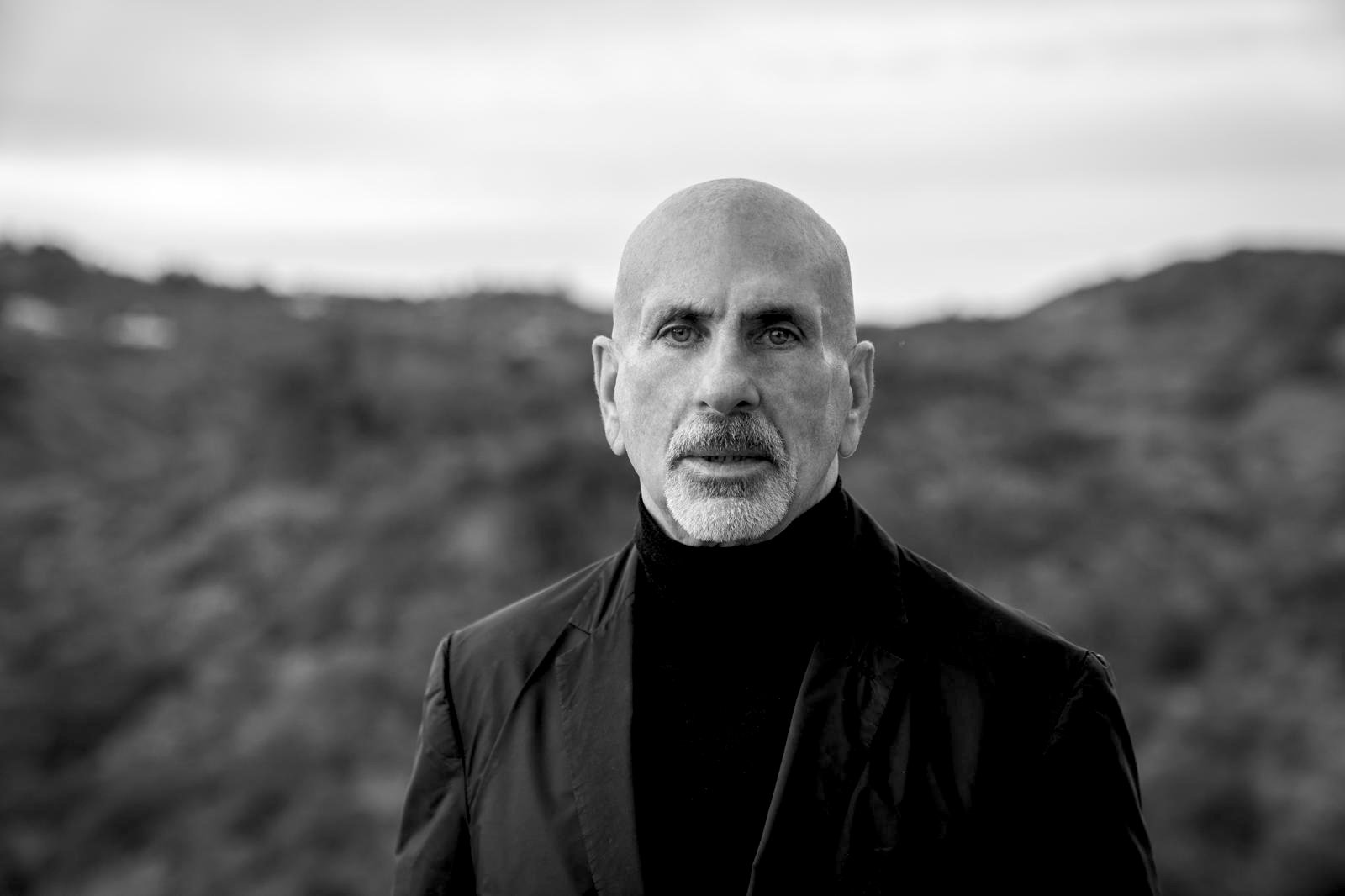
Scott Stover is a philanthropy advisor focused on art and culture, best known for his venture-philanthropy approach and his strategic work with cultural institutions, private collectors, artists, and foundations. Notably, he revitalized the Centre Pompidou Foundation in 2005. His longstanding commitment to the arts earned him the title of Chevalier de l’Ordre des Arts et des Lettres. Stover is also an avid art collector and an influential voice in global cultural dialogue and arts media.
Scott Stover's selection reflects a journey shaped by literature, art, and critical thought. It brings together foundational novels that question identity, memory, and absence through bold literary forms; essays that explore how we perceive, judge, and experience art, intertwining philosophy, aesthetics, psychoanalysis, and art history; texts that sustain an active reflection on contemporary art — its dissemination, reception, and dominant narratives; and finally, works on ancient, Islamic, medieval, and classical art, bearing witness to a fascination with symbolic, spiritual, and architectural forms.
Together, these books tell a coherent story: that of a gaze built at the crossroads of artistic sensitivity, theoretical rigor, and cultural openness. More than a selection, it is a cartography of thoughts and passions, serving a single quest: to understand what art does to those who behold it.
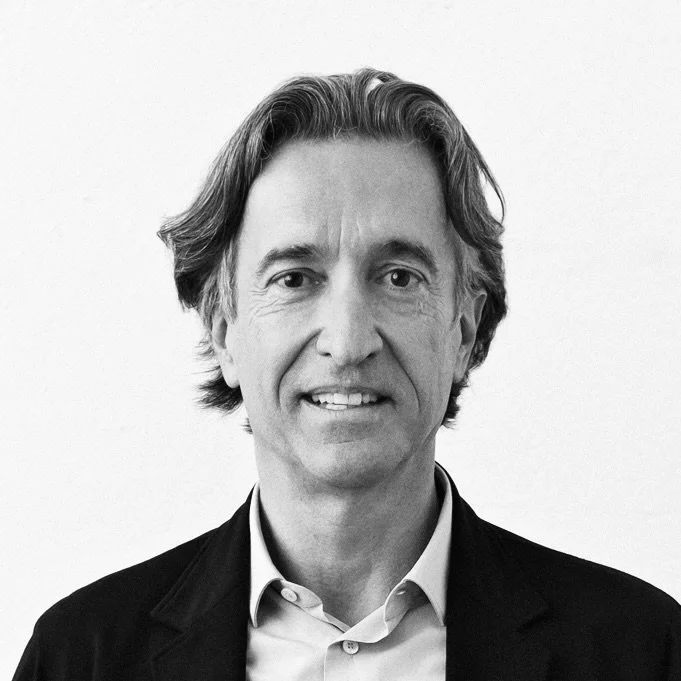
Hervé Digne is the president and co-founder of POUSH—one of Europe’s leading artist incubators—and of Manifesto, a group dedicated to artistic and cultural projects. He also chairs the board of the École des Arts Décoratifs, after directing the Collection Lambert and the Forum d’Avignon, and has previously held senior roles in the press, digital media, and film financing.
His selection of books reflects a curious, engaged, and cross-disciplinary view of contemporary creation. It addresses painting, photography, cinema, and writing, as well as places and collective initiatives that sustain artistic practice.
Photography is central—ranging from Irving Penn’s elegance to Andreas Gursky’s monumental images, “the real frozen to the point of derealization,” and the deep blacks of Dirk Braeckman. Still images converse with moving ones in the works of Chris Marker and Mark Lewis, echoing Digne’s “longstanding love for cinema.” Then, other major figures appear throughout: Francis Bacon and his visions of “tormented bodies and gaping mouths,” or Barnett Newman and Brice Marden, whose abstractions verge on the mystical. Finally, writing is also celebrated in its own right: Van Gogh’s Letters, rediscovered in Arles, evoke “the liberated gesture under the blazing southern sun,” while Agnès Martin’s The Inherent Perfection of Life stands as a foundational text.
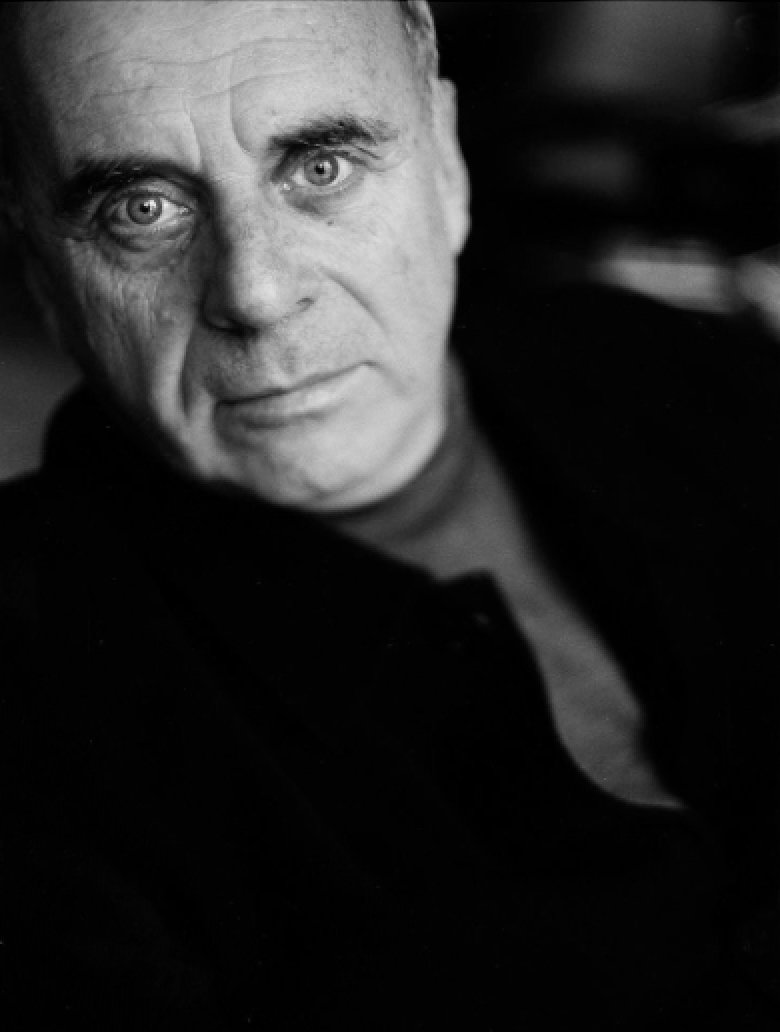
Ralph Gibson is an American photographer known for his art images that explore the surreal visual nature of the subconscious. Using visual fragments that resemble what one sees in dreams, Gibson’s images are mysterious and symbolic.
Ralph Gibson’s book selection consists of catalogs presenting the works of renowned artists such as Perspective on the Nude by Bill Brandt (1965, Prisma) and Picasso Guitars 1912–1914 (2011, Museum of Modern Art). The curator also has a strong passion for cinema. His father was Alfred Hitchcock’s assistant director, and as a young boy, he often visited film sets. Evidently, his selection highlights directors and films, such as Directs by Ingmar Bergman (1973, David Poytner), a book exploring the career of filmmaker Ingmar Bergman.
Additionally, Ralph Gibson has a deep connection with France, his country of heart. French culture is celebrated in his selection with literary classics like Les Fleurs du Mal by Charles Baudelaire and Swann’s Way by Marcel Proust.
Ultimately, the curator’s open selection is very comprehensive, including novels, poetry, classic literature, exhibition catalogs, and books on painting, photography, cinema, and typography. It is a rich collection that reflects the curator himself.
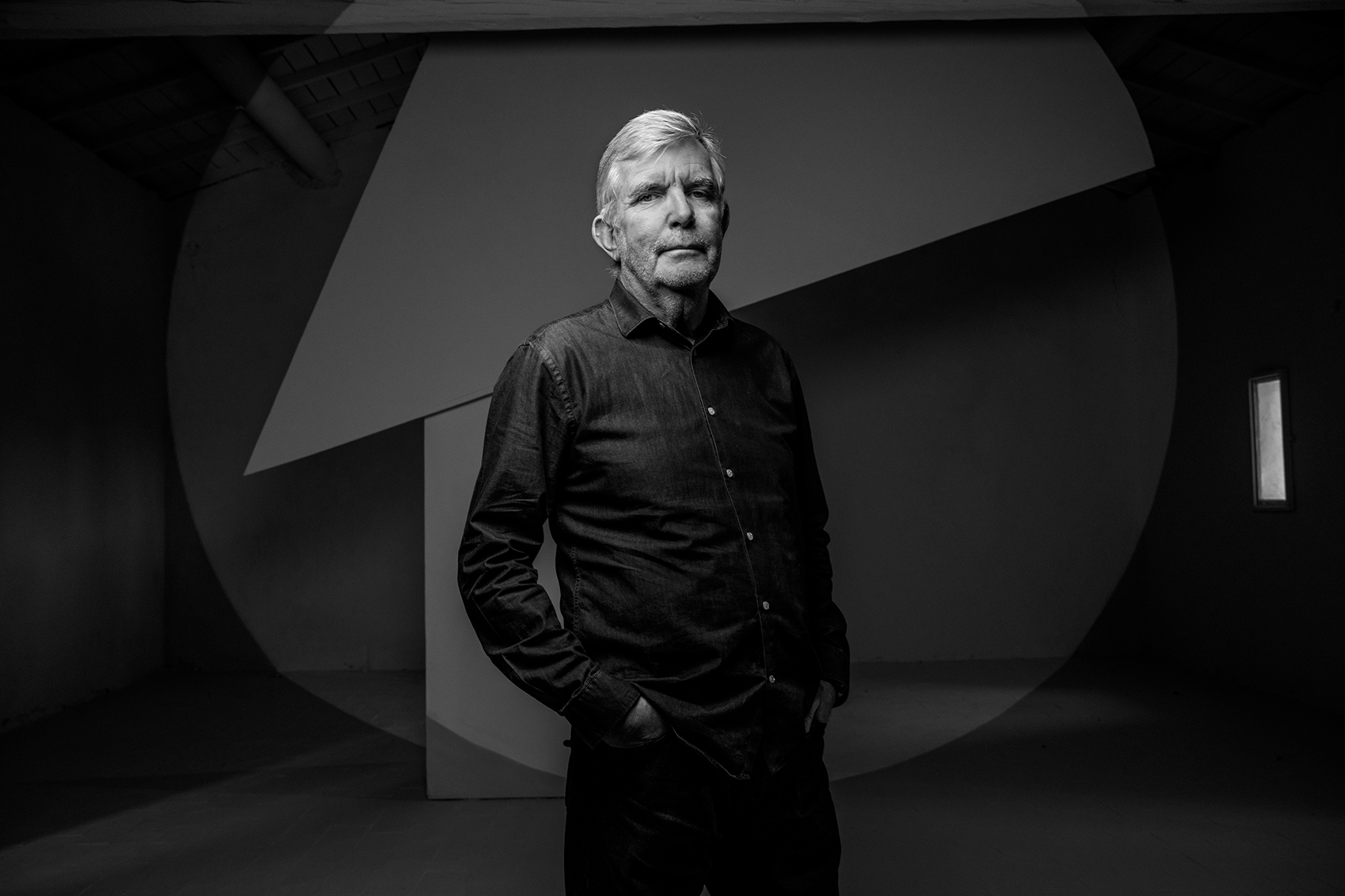
After dedicating the first part of his life to medicine, Christian Le Dorze acquired the Château Bonisson vineyard in Rognes, Provence, in 2017, and created the Bonisson Art Center, a space dedicated to contemporary art in the estate's former wine cellars. This 300 square meter art center reflects its collector's passion, being a place open to the public and to all contemporary artistic disciplines, free for reflections, confrontations, and experiments.
Just like the Bonisson Art Center, Christian Le Dorze's curatorial choices offer key insights for navigating the world of contemporary art. This new selection emphasizes the collector's attachment to abstraction, architecture, forms, and light. Notable works include Philippe Decrauzat's monograph "un artiste protéiforme menant une lecture critique de l’histoire de l’abstraction géométrique et une réflexion sur la nature des arts visuels" (Walther König, 2022), as well as the magnificent monograph of James Turrell "A Retrospective" (DelMonico Books / D.A.P., 2022), which immerses us in a revolutionary work around light and space.
The carte blanche given to Christian Le Dorze also highlights theoretical and retrospective works on photography and the history of this medium. Noteworthy are the invaluable essay "La chambre claire" by Roland Barthes (Gallimard, 1980), the unprecedented project around the reference work "Henri Cartier-Bresson - Le grand jeu" (BnF Éditions, 2021), and the manifesto book "Une histoire mondiale des femmes photographes" (Textuel, 2020).
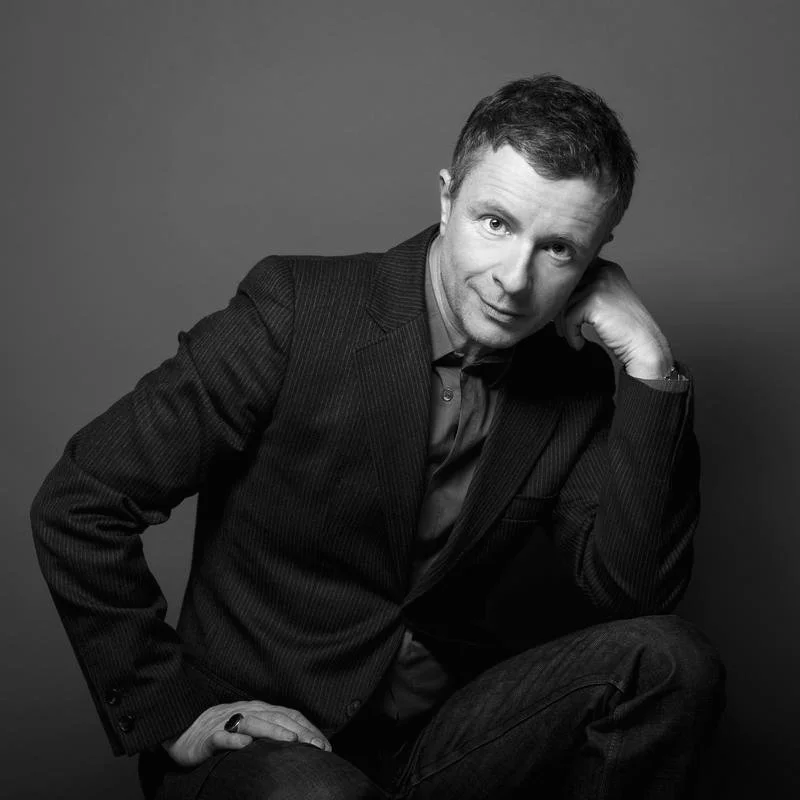
Laurent Goumarre is an eclectic character, journalist, producer, artist and art critic, and well known for the passion with which he hosts his music program on French radio “France Inter” every evening.
Laurent Goumarre has always had a special relationship with photography and books. "What does photography owe to books? Nothing for many, absolutely everything for me, who 'read' photography before seeing it. Just as others have written about images before practicing them. The book, writing before practicing, is my story, without art school, after studying literature: first write, then photograph, and think of the image as an extension of writing. My photographic background is above all a literary experience - Hervé Guibert, Duane Michals, Ettore Sottsass's Métaphores, Sophie Calle", he says.
Laurent Goumarre's curatorial choices echo his personal and professional life. His selection includes 30 exceptional titles, including rare works such as Steven Meisel's Four days in LA - The Versace Collection (2001, White Cube) and Walter Pfeiffer's In love with beauty (2008, Steidl), as well as many other treasures to be discovered exclusively at the Bigaignon Store.

Doctor in art history from Paris 1-Panthéon Sorbonne University, Héloïse Conésa has been the Chief Curator of Contemporary Photography at the Bibliothèque nationale de France (BnF) since 2014. Previously, she was the Curator for Modern Art and Photography at the Museum of Modern and Contemporary Art in Strasbourg from 2009 to 2014, where she curated several exhibitions. Since joining the BnF, she has co-curated several editions of the Bourse du Talent from 2014 to 2019 at the BnF and exhibitions such as Dans l’atelier de la Mission Photographique de la DATAR (Rencontres d’Arles, 2017) and Paysages français: une aventure photographique (1984-2017) (BnF, 2017). She curated exhibitions at the BnF. She also contributed to managing the large photographic commission "Radioscopie de la France des années 2020" entrusted to the BnF by the Ministry of Culture.
One only needs to look at the books composing this selection to realize it truly reflects its curator! Héloïse Conésa intended for "this selection of books to revolve around the notion of materiality as it can be expressed in photography, ranging from analog prints to digital proofs, objects, or installations. Offering a dialogue with the works presented in the exhibition at the Bibliothèque nationale de France (François Mitterrand site), 'Epreuves de la matière,' some of which are by artists represented by the Bigaignon gallery (Renato d’Agostin, Vittoria Gerardi, Thomas Paquet, Yannig Hedel, Anne-Camille Allueva, Hideyuki Ishibashi...), this bibliography serves as a means to think when it brings together works by theorists and critics of the image, to see when it showcases the works gathered in exhibition catalogs that, both in France and internationally, have revisited the material evolutions of the medium, and to feel when it offers an incursion into books by artist-photographers particularly attentive to the transcription of sensations enabled by their authors' material explorations."
The carte blanche offered to Héloïse Conésa is illustrated in three categories. Theoretical books, such as Manifeste pour une post-photographie by Joan Fontcuberta (2022, Actes Sud) and Marc Lenot's thesis, Jouer contre les appareils (2017, Editions photosynthèses); catalogs of some of the most important exhibitions in the history of photography, such as What is a photograph? (2014, International Center of Photography, New York, Prestel Publishing), La mémoire du futur: dialogues photographiques entre passé, présent et futur (2016, Coédition Noir sur Blanc/Musée de l’Élysée), and the rare catalog of the exhibition Les Immatériaux, which took place in 1985 at the Centre de création industrielle (1985, Centre Georges Pompidou); and finally, monographs, including Photograms and Negatives (Thomas Ruff, 2015, Gagosian/Rizzoli), Harmony of Chaos (Renato D’Agostin, XX, the(M) éditions), and Laure Tiberghien (2023, RVB books).
Her selection is highlighted alongside the BnF exhibition "Epreuves de la matière."
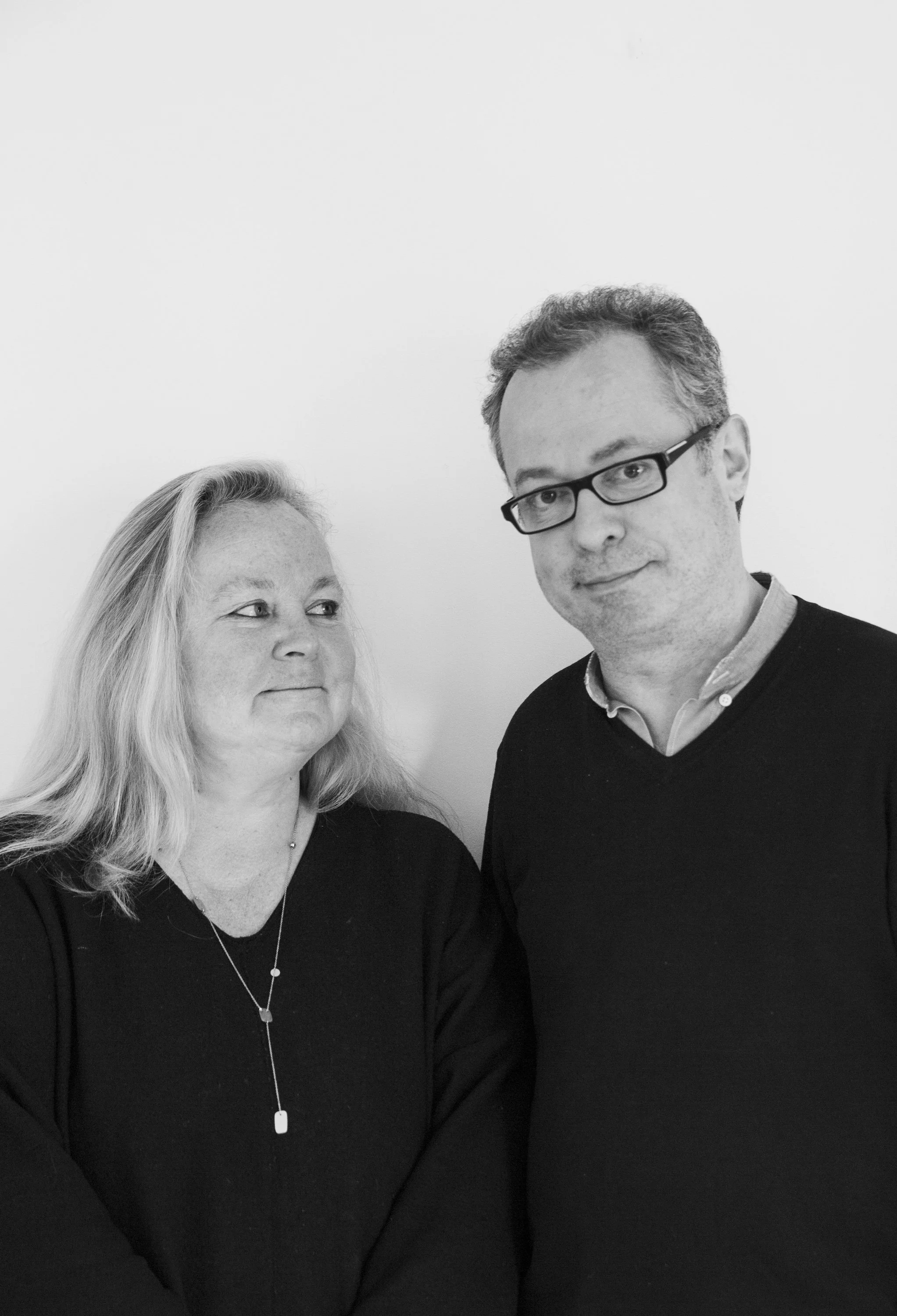
Caroline Wiart is an interior architect passionate about contemporary art, architecture, design, and contemporary photography. Patrice Galiana, on the other hand, is the deputy director at a marketing company. Both have been collecting contemporary photography for over 20 years. They build relationships with the artists they collect and closely follow their practices.
Just mentioning a few names of the authors of books chosen by Caroline Wiart & Patrice Galiana (Christian Boltanski, Bernard Plossu, Patrick Tosani, Patrick Bailly-Maître-Grand, Denis Roche, Michel Poivert...) gives an idea of the caliber of this selection ! But beyond the names, a closer look quickly reveals that the carte blanche offered to this duo of curators places a strong emphasis on the human condition. Notably, this selection includes numerous books that explore the relationship with the body, with notable references such as Chapitre sur les petites amputations (David Nebrada, 2004, Editions Léo Scheer) and A Body (John Coplans, 2002, PowerHouse Books). Reflecting their own thoughts on photography, the collector couple has also centered their selection on a perpetual and fascinating questioning of the photographic medium, exemplified by works like Le Photographique, Pour une Théorie des Écarts (Rosalind Krauss, 1990, Macula) and La Photographie Plasticienne, Un Art Paradoxal (Dominique Baqué, 1998, Regard), as well as the intriguing book Le Tirage à Mains Nues by Guillaume Geneste (Lamaindonne, 2020).
This sublime selection also includes very rare artist books, such as Portraits by Patrick Tosani (1985, Galerie Liliane et Michel Durand-Dessert), which contains prints by the artist, and Tom Drahos's Le Vieux Mystère (1987, Rémanences éditions), a work that sits between an artist's book, a portfolio, and a book object, notably featuring reproductions of the artist's original prints.
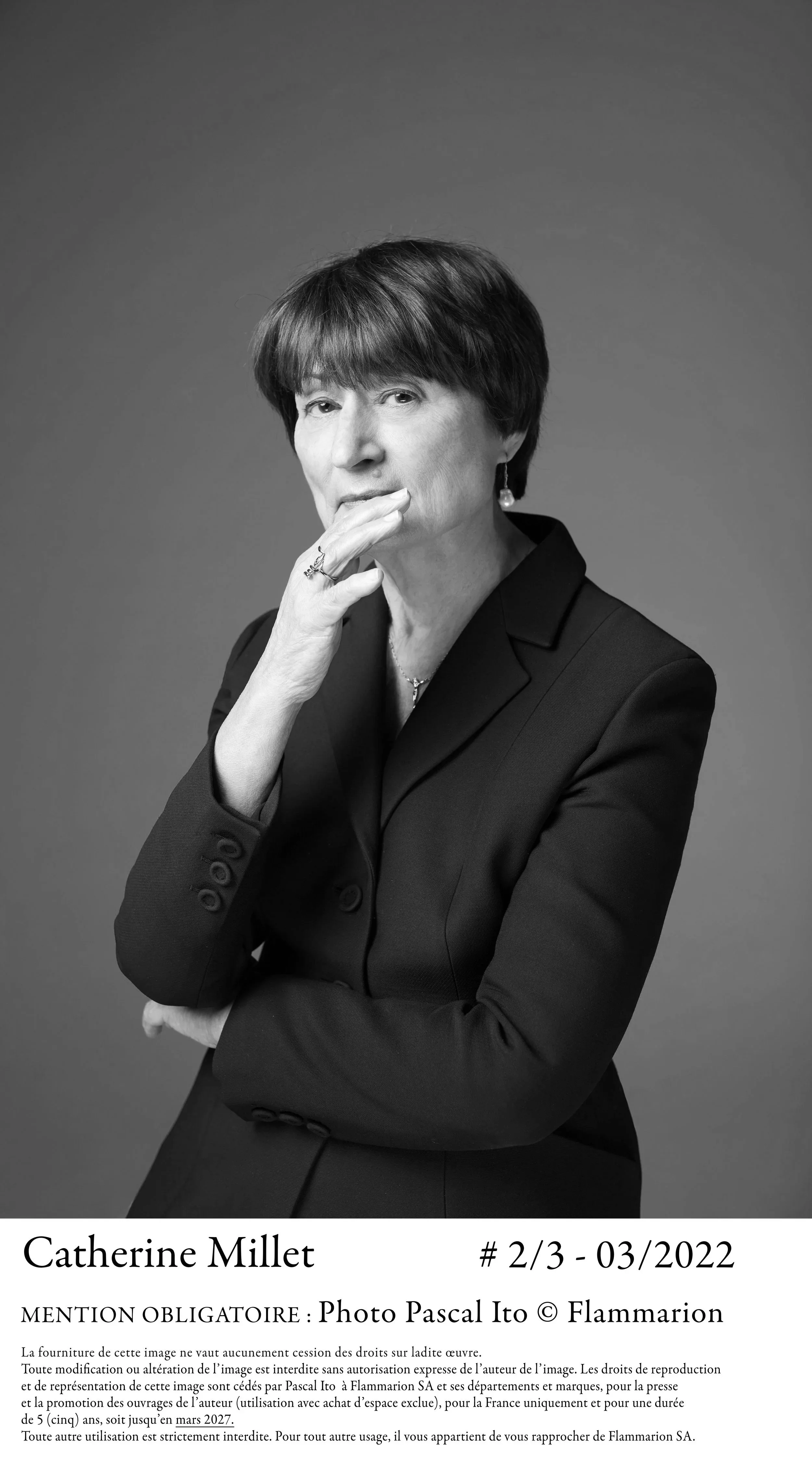
Promoted to Officer of the Order of Arts and Letters in 2016, Catherine Millet is an art critic, writer, and founder of the magazine Artpress.
The carte blanche given to Catherine Millet celebrates the image in all its forms: memorial images, painting, photography, perception, cinema. This diversity highlights the interconnectedness of these various mediums through a wide array of both rare and exceptional books. Notably, this includes The Last Studies by Balthus (ed. Steidl Verlag), a box set comprising two books that present a significant body of Balthus's photographic work.
Through her selection, Catherine Millet tells numerous stories spread across several themes (the great classics, biography, history, women, the unclassifiable, theory, hell) with guiding threads being the relationship to the body, particularly women's bodies (La Monnaie vivante, Pierre Klossowski and Pierre Zucca, ed. Eric Losfeld), and the need to document intimate (Conversion, Pascal Convert, ed. Filigranes) or historical events (Images malgré tout, Georges Didi-Huberman, éditions de Minuit).
For her new autobiographical work dedicated to contemporary art, Les Commencements, a signing session was organized at the Bigaignon Gallery on January 28, 2023.
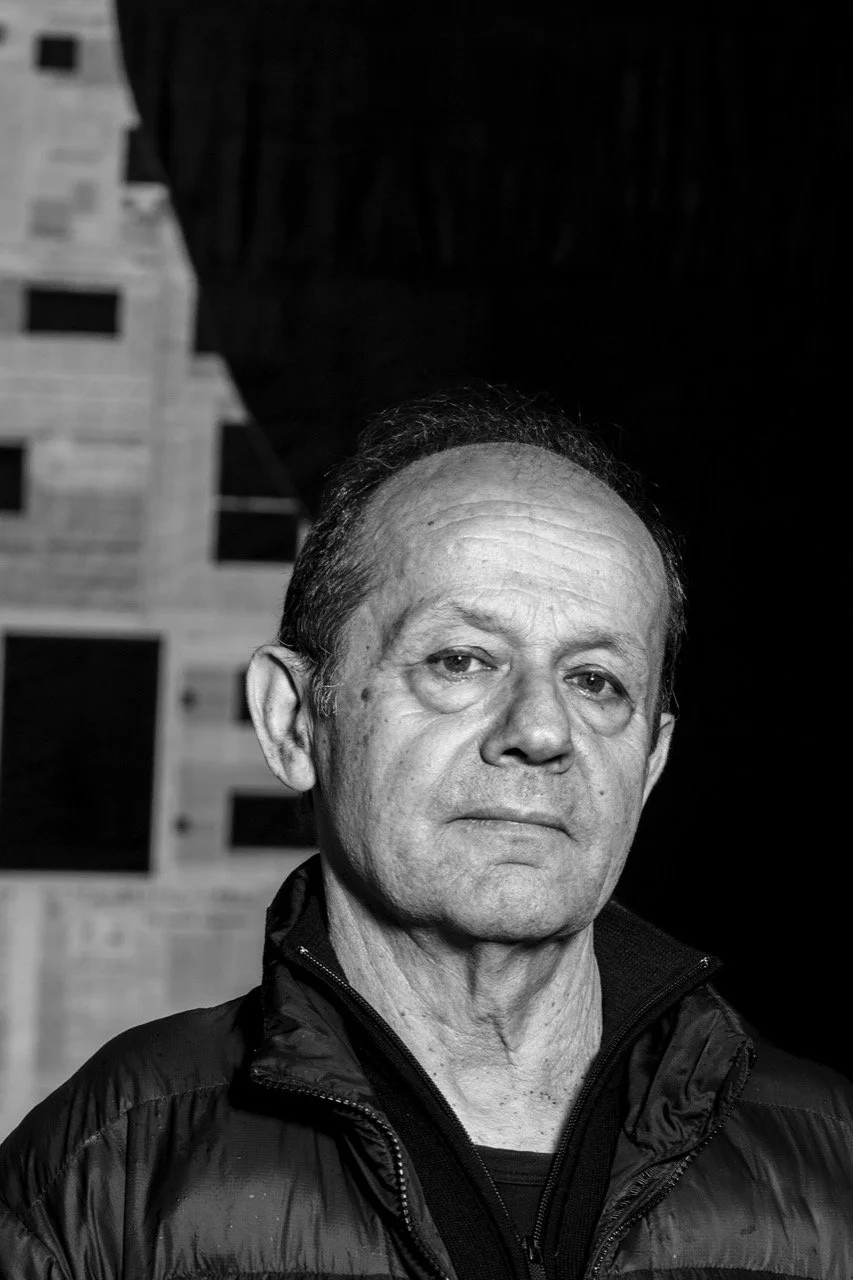
Georges Rousse is an internationally renowned photographer, known particularly for his anamorphoses photographed in locations destined for demolition or renovation. He has won numerous awards and was named an Officer of the Order of Arts and Letters in 2017.
This selection is marked by the omnipresence of an essential link between text and photography, as well as by black-and-white images in almost all the books, thus revealing the intimate relationship Georges Rousse has with photography. Additionally, the selection shows a strong interest in the personal vision of artists (The Disappearance of Fireflies, writings on the image, Denis Roche, 1983, Edition de l’étoile & Seuil), their experiences (Haut Jorat, Gustave Roud, 2011, Fata Morgana Payot), and their personal relationship with photography itself (Photographs, Claude Simon, 1992, Maeght Publisher). Georges Rousse also highlights his interest in photo novels since the book Real Dreams by Duane Michals (ed. Le Chêne, 1977) was one of his first photography book purchases. However, this selection also gives pride of place to beautiful objects such as the book Butterfly (Kansuke Yamamoto, Fapa, 2017) or those published by Creaphis editions: Scotland by Jacques Roubaud and Jean-Pierre Gilson and Echoes of Silence by François Cheng & Patrick Le Bescont.
The quote by Hervé Guibert published in Photographers (ed. Gallimard) perfectly encapsulates Georges Rousse’s selection: “I dream that photographers start writing and writers take photos, that there is no longer any intimidation between them, that each activity becomes the ineffable, the unnameable.”
A "selection in his image, both delicate and full of sensitivity, oscillating between photography and poetry," as explained by Thierry Bigaignon.
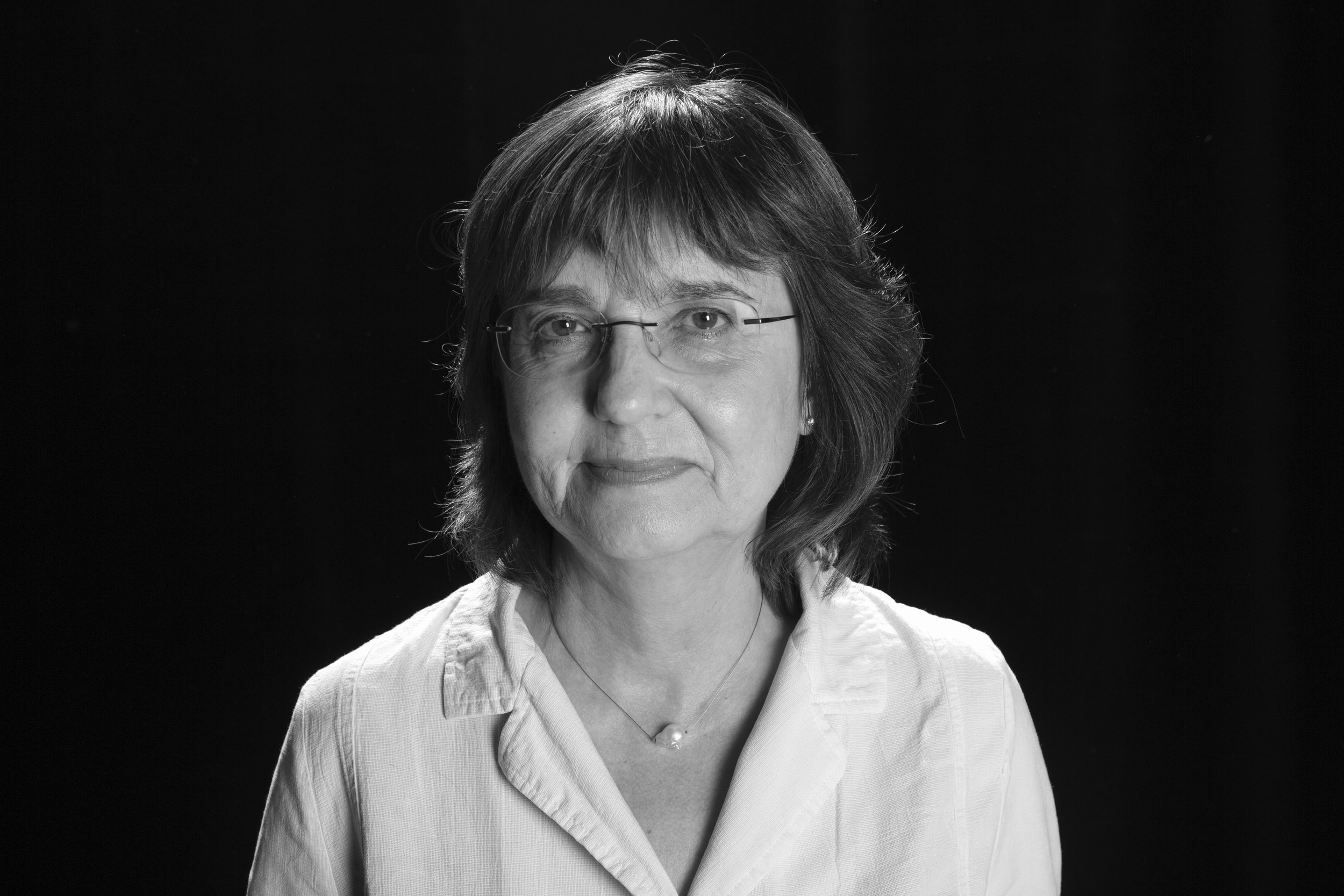
Marta Gili is an art critic and specialist in experimental photography, former director of the Jeu de Paume Museum and now director of the ENSP school in Arles.
She defines her selection for the Curated Book(Store) as her "favorite theoretical, philosophical, sociological, photographic or contemporary art books, those books that give diverse perspectives on how to confront the world and its social, political and poetic representation".
This selection, based on her encounters and professional experiences, invites us to discover or rediscover publications from different cultures and eras. The selection of 21 books questions in turn about the role ofeducation, the notion of citizenship, the place of photography in the feminist debate or the use of time.
Thierry Bigaignon added: "These books provide important keys to understanding the artistic fields that are dear to Marta. This mix of genres and cross-disciplinary dialogues provides the richness that we aim to offer our visitors in the Curated (Book)Store ».
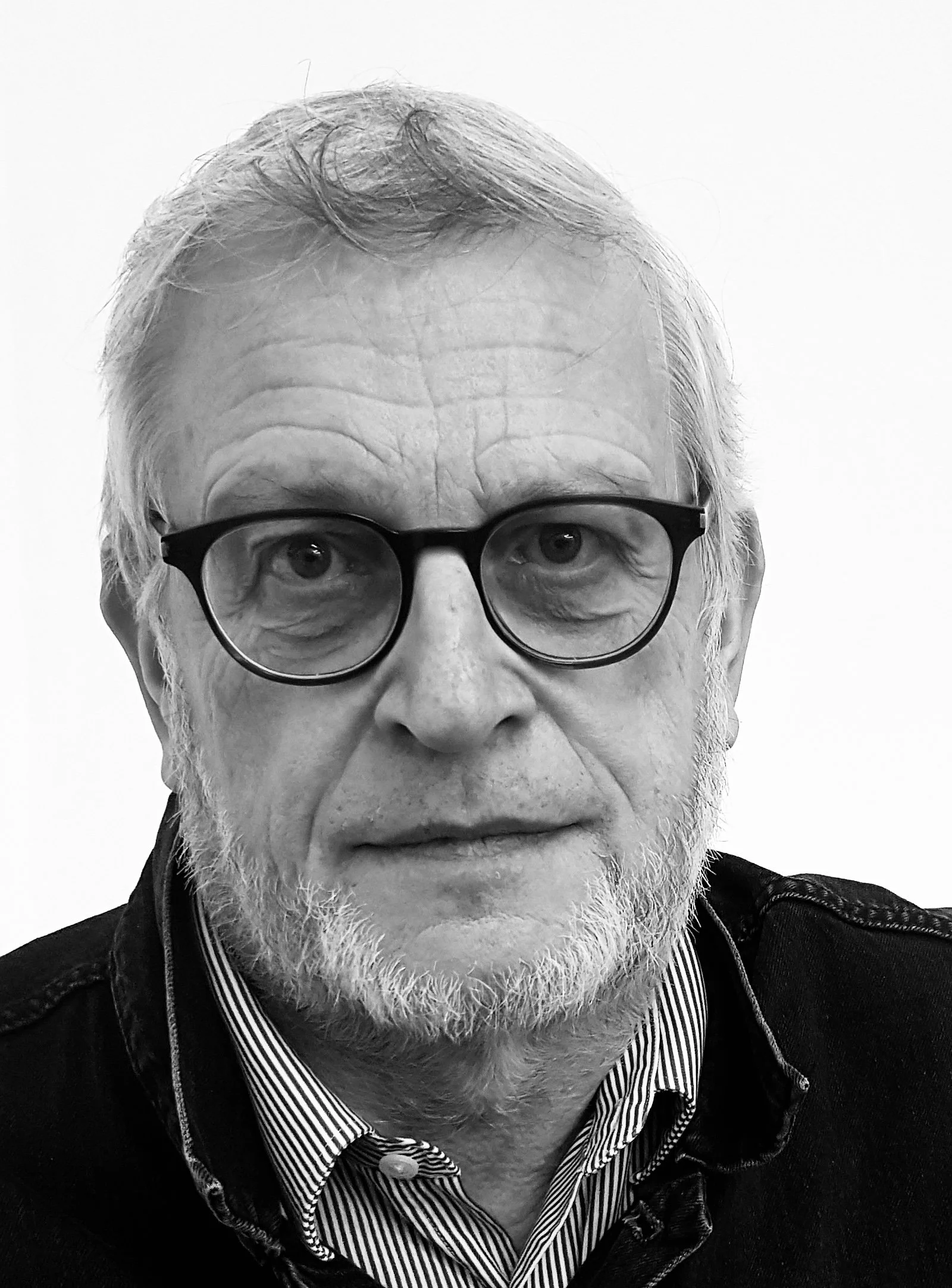
Marc Lenot is an art historian, a critic and, to say the least, an expert in photography. He writes regularly under the pseudonym "Lunettes Rouges" (blog published in the French newspaper Le Monde), and explains it very well, his selection is undoubtedly influenced by his "research around experimental photography, by photographers who do not respect the rules, play with the camera and assert their freedom".
For Thierry Bigaignon: "Going through Marc Lenot's selection, from theoretical works such as Pour une philosophie de la photographie, by Vilém Flusser (ed. Circé, 1996), to artists' monographs such as Expired Paper, d’Alison Rossiter (ed. Radius Books, 2007), through exhibition catalogs such as Photography to the Test of Abstraction, (ed. Hatje Cantz, 2020), questions the very nature of photography, and this could not be more connected to the gallery's DNA".